 Back to News
August 3, 2022
|
SUMMARY - Effective street furniture balances functionality, aesthetics, accessibility, sustainability and safety. - Good design helps public spaces feel more welcoming, usable and connected to their surroundings. - Durability, maintainability and long-term value are critical considerations for councils and communities alike. |
Designing street furniture in Australia is a complex process that requires careful consideration of various factors.
Architects and urban designers pay close attention to functionality, aesthetics, sustainability, accessibility, safety, maintenance, and cost-effectiveness. Each of these factors influences how people experience and interact with public spaces.
Functionality in Street Furniture Design
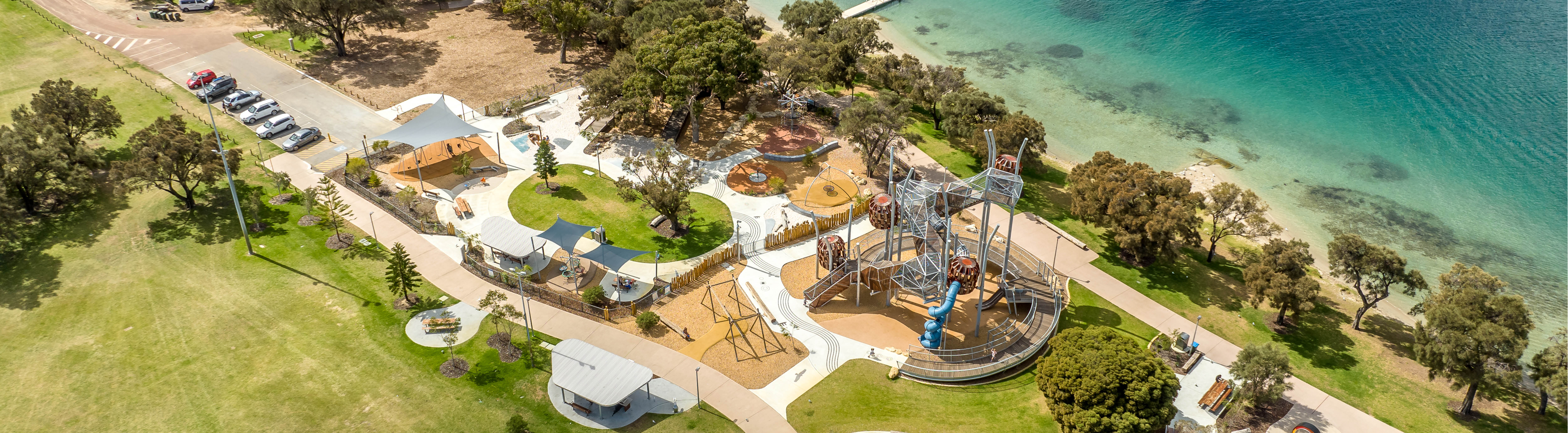
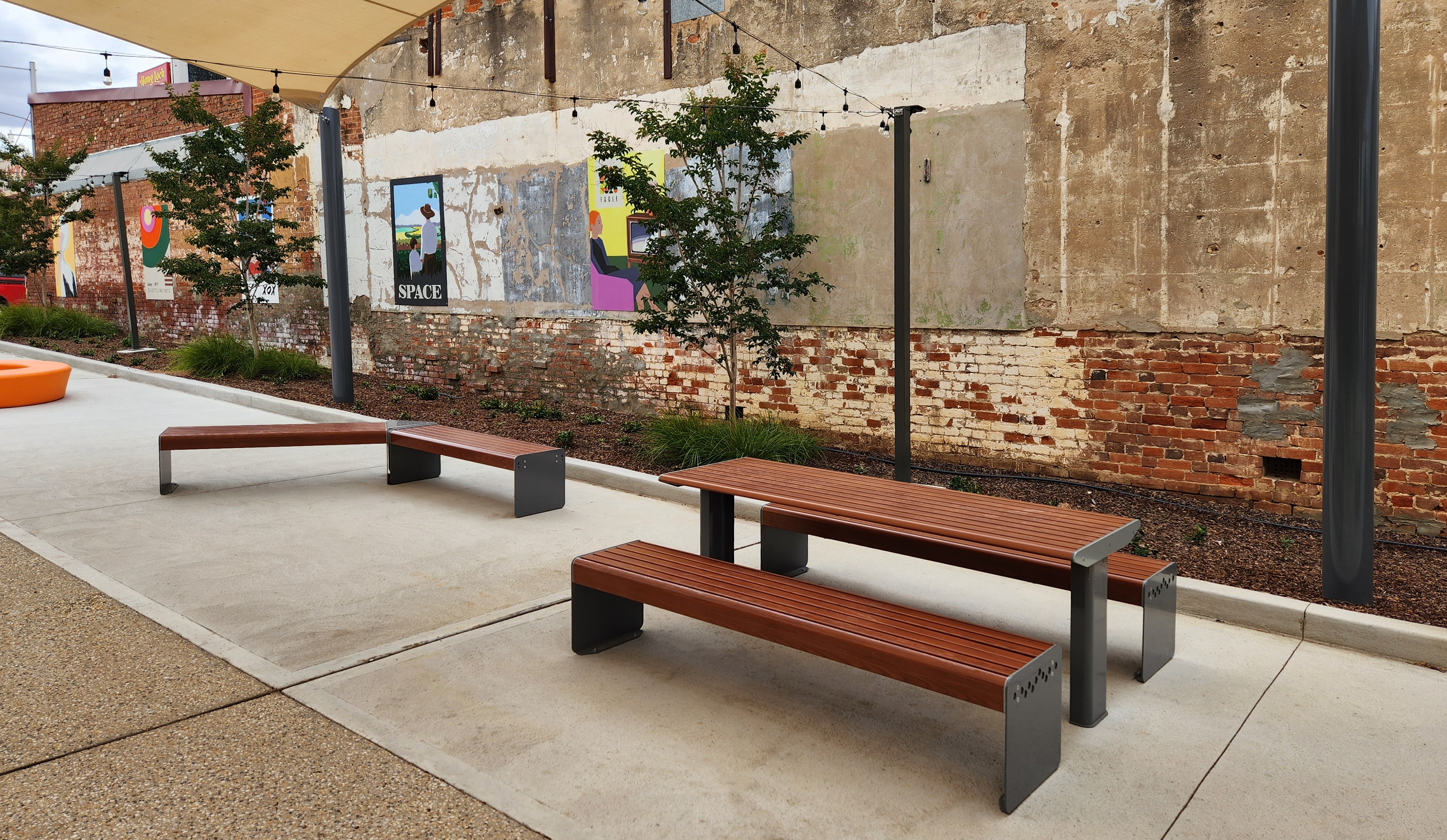
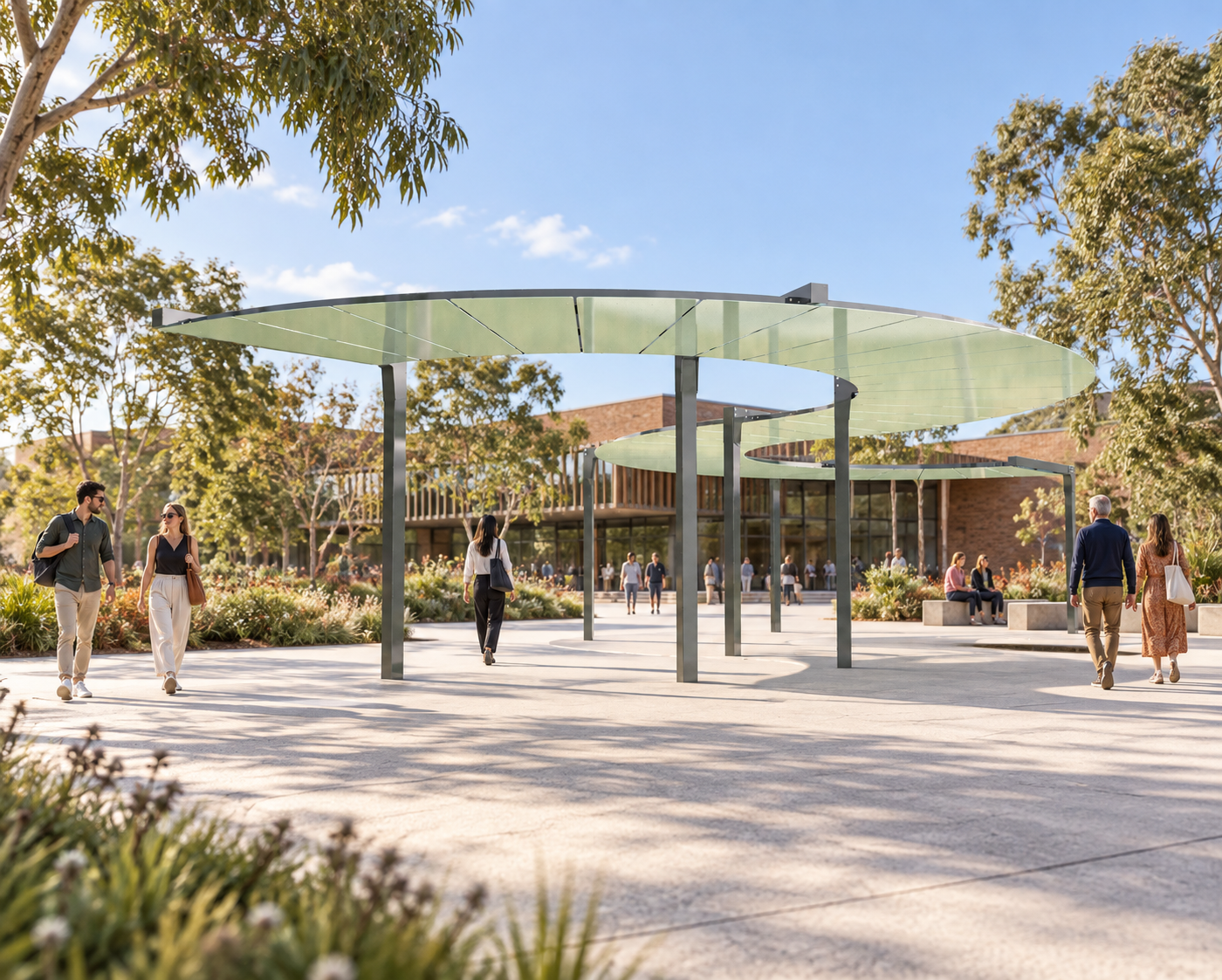
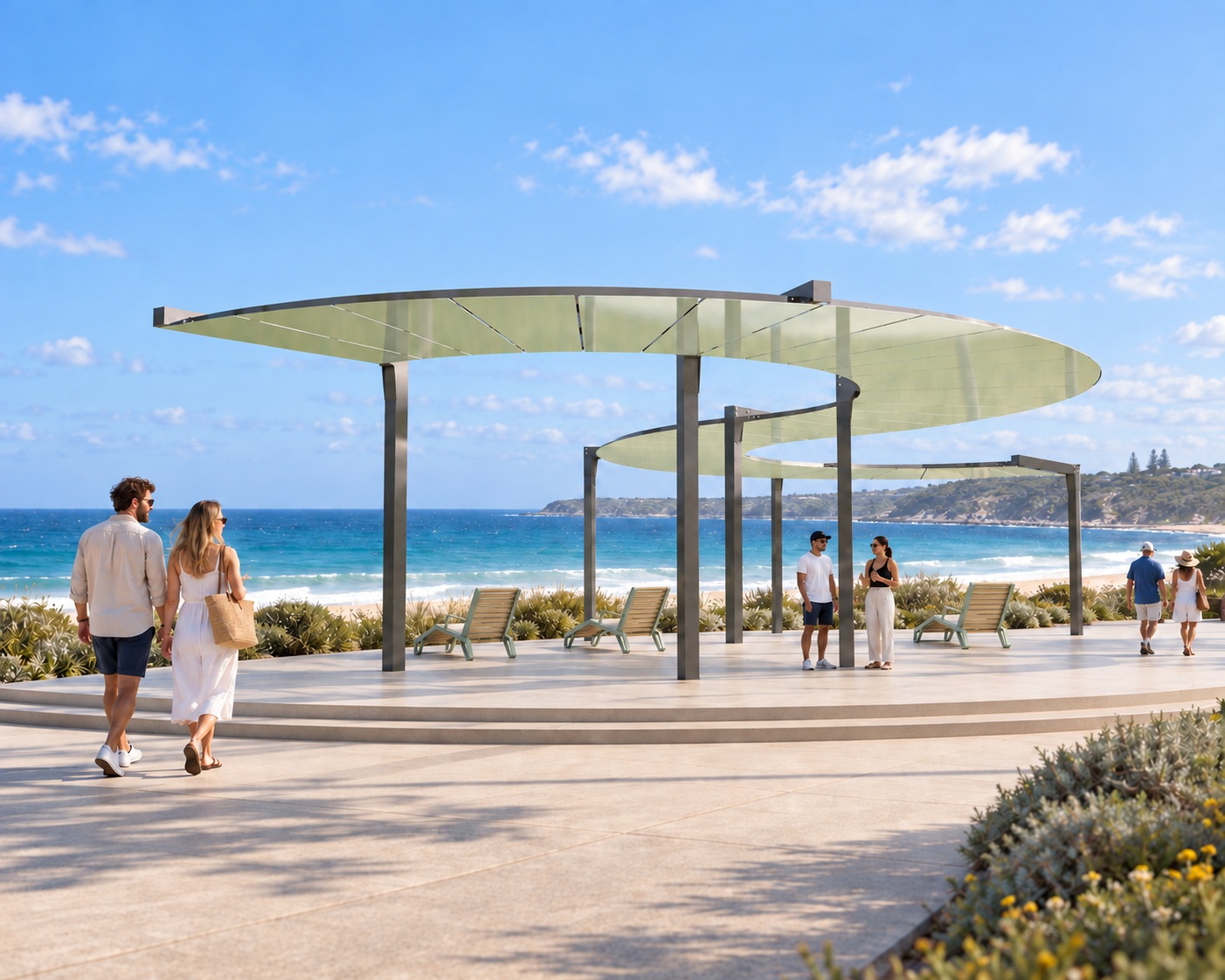
Functionality is a crucial factor in designing street furniture, as it needs to serve a practical purpose. Street furniture should support everyday activities such as resting, gathering, eating, or navigating public areas. Seating, shade structures, and waste disposal infrastructure all contribute to how comfortable and usable a space becomes. Well placed seating and shelters can extend dwell time, encourage social interaction, and make public environments more welcoming.
Aesthetic Integration with Public Spaces
Aesthetics are another critical factor in designing street furniture. Street furniture should complement the surrounding environment and contribute positively to the overall character of a space.
Landscape architects often consider materials, colour palettes, proportions, and the relationship between furniture and nearby architecture. When designed thoughtfully, street furniture can help define a sense of place and strengthen the visual identity of a park, plaza, or streetscape.
Sustainable Materials and Long Term Durability
Sustainability is an increasingly important consideration in the design of outdoor infrastructure. Materials that are durable, recyclable, and responsibly sourced can help reduce environmental impact while extending the lifespan of public assets.
In Australia, outdoor furniture must also perform under demanding environmental conditions, including intense UV exposure, coastal air, and heavy public use. Selecting robust materials helps ensure infrastructure remains functional and attractive over time.
Accessibility and Safety in Public Space Furniture
Accessibility and safety are also essential factors in designing street furniture. Public infrastructure should be usable by people of different ages and abilities, including individuals with reduced mobility.
Inclusive design principles support accessible seating heights, clear pathways, and thoughtful placement of amenities. Safety considerations are equally important, ensuring furniture minimises trip hazards and supports safe movement throughout public spaces.
Maintenance and Cost Efficiency for Councils
Maintenance and cost-effectiveness are additional considerations when designing street furniture. Public infrastructure must remain functional and visually appealing over many years of use.
Designs that incorporate durable finishes, simple construction methods, and replaceable components can help reduce long-term maintenance requirements. These considerations are particularly important for councils managing large networks of parks, streets, and civic spaces.
More Than Just Furniture
Street furniture plays a critical role in how people experience public spaces, making design decisions around function, durability and accessibility essential.
Functionality, aesthetics, sustainability, accessibility, safety, and long-term maintenance all influence how well public spaces serve their communities.
Thoughtful street furniture design helps create comfortable, inclusive, and resilient environments where people can gather, rest, and interact. When these elements are balanced effectively, public spaces can remain welcoming and functional for many years.
Examples of these design principles can be seen across the full range of street furniture Australia relies on daily: seating, shelters, drinking fountains and bin enclosures.